Childrens Monkey Bars Guide for Fun and Safe Outdoor Play
We may earn a commission for purchases made using our links. Please see our disclosure to learn more.
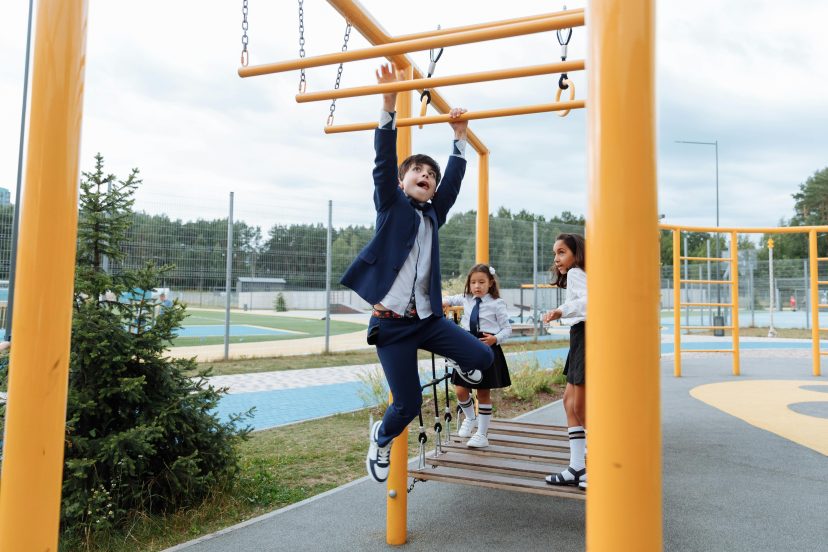
If your backyard feels a little too quiet, or your kids seem to bounce off the couch like popcorn, childrens monkey bars can be a game-changer. They give kids a place to climb, swing, test their nerve, and burn off energy without feeling like they are “working out.” Better yet, when you pair them with a treehouse-style setup, the whole yard starts to feel less like grass and more like adventure.
This guide walks you through how to choose childrens monkey bars that fit your space, your child’s age, and your sanity. You’ll learn what matters for safety, what features are actually useful, and how to create an outdoor play zone that feels magical instead of messy.
This article includes a few product suggestions, and I may earn a small commission if you buy through product links at no extra cost to you.
Why childrens monkey bars never go out of style
Some backyard toys get exciting for about three afternoons. Monkey bars are not usually one of them.
That is because they mix challenge with freedom. A child can hang, swing, race across, invent games, or just dangle upside down and feel like a tiny superhero. There is no single “right” way to play, which is exactly why outdoor monkey bars keep holding attention longer than many battery-powered toys ever do.
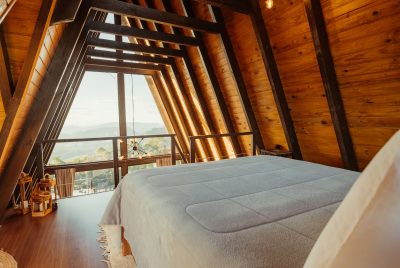
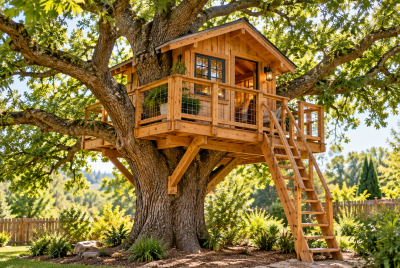
They also fit beautifully into treehouse play ideas. Add a platform, slide, rope ladder, or lookout spot, and suddenly the backyard becomes a mini world kids want to return to.
The real benefits of childrens monkey bars
The biggest win is simple: kids move more.
A 2023 CDC study found that playgrounds with better amenities and stronger play structures were linked to more moderate-to-vigorous physical activity and higher energy expenditure. In plain English, better play spaces tend to get kids moving more.
What they help build
Childrens monkey bars can support:
- grip strength
- shoulder and arm strength
- coordination
- balance
- confidence
- problem-solving through play
And here is the sneaky-parent bonus: kids usually see all of that as fun, not “development.”
How treehouse play changes the experience
A basic bar set is great. A bar set connected to imagination is even better.
When monkey bars lead to a small platform, a fort, or a treehouse-style nook, kids do not just climb. They create stories. One day it is a jungle mission. The next day it is a pirate dock. Then somehow it becomes a bird rescue station with three stuffed animals and a snack bucket.
That storytelling layer matters because it keeps older kids interested longer. It also makes shared play easier for siblings with different ages and personalities.
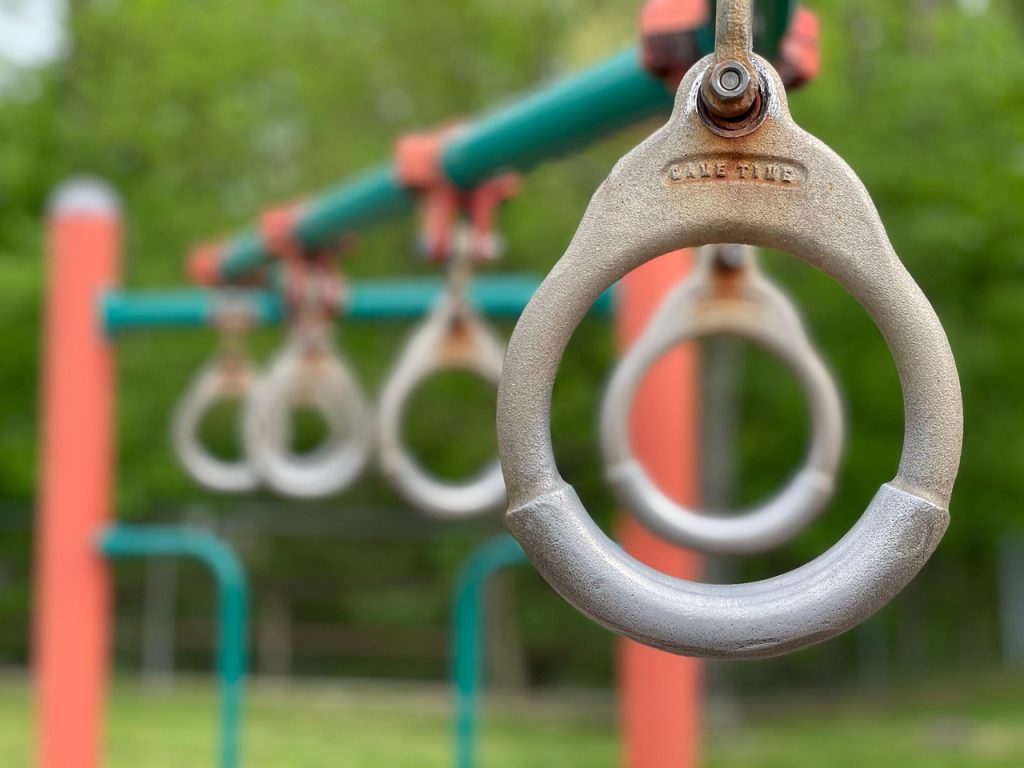
The best age range for monkey bars
Not every setup fits every child, and this is where many parents get tripped up.
Most toddler-friendly climbers focus on low platforms, stairs, and short slides. Older kids usually want more overhead challenge, longer reach, and room to swing with momentum. The sweet spot for most backyard monkey bar setups is preschool through elementary age, but the right fit depends more on height, grip ability, and confidence than birthdays alone.
For very young kids, think supervised climbing structure. For older kids, think true overhead movement.
Choosing the right height, width, and footprint
This part is less glamorous, but it saves regret.
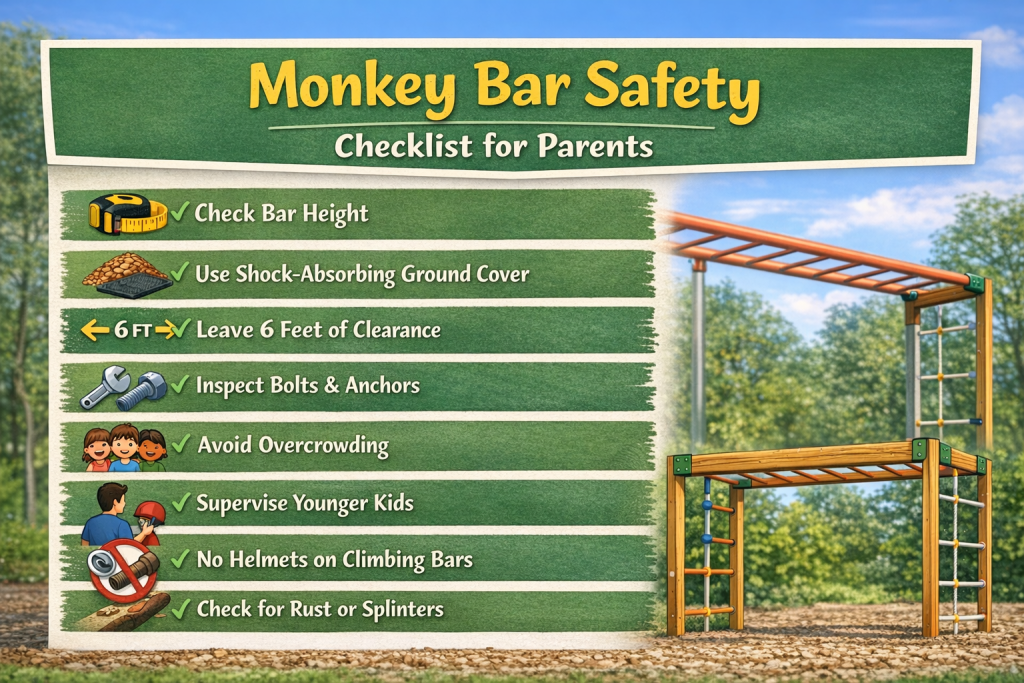
Before you buy anything, measure your space with the use zone in mind, not just the frame itself. The CPSC’s home playground guidance says equipment should be placed at least 6 feet from obstacles like fences, sheds, poles, or trees, and swings need even more front-and-back clearance. Its guidance also notes that about 80% of home playground injuries happen after falls.
A simple sizing rule
Ask yourself three questions:
- Do kids have room to move around it safely?
- Can you still mow, walk, and supervise without doing backyard gymnastics?
- Will the structure still fit as your child grows?
A too-small setup gets boring fast. A too-big one can make your yard feel like a school recess yard with less funding.
Safety rules that matter most
This is the part where I sound a little like the responsible adult at the barbecue. For good reason.
The 2025 CPSC Public Playground Safety Handbook says playground equipment is associated with more than 190,000 emergency-room-treated injuries a year on average based on 2021–2023 data. Falls are one of the major hazard patterns it addresses, along with entrapment and impact hazards.
The safety basics worth following every time
- Supervise younger kids closely.
- Teach feet-first dismounts.
- Keep helmets off on climbing equipment to reduce entanglement risk.
- Check bolts, grips, anchors, and coatings often.
- Do not let kids crowd one lane like it is rush hour.
And one overlooked point: the CPSC home playground handbook says swings, gliders, and trapeze bars should not hang from monkey bars, because that setup increases the chance of a child falling onto moving parts.
Ground surfacing is not optional
If the bars are the headline, the ground surface is the invisible co-star.
Grass alone is not enough for serious fall protection. The CPSC specifically recommends shock-absorbing protective surfacing under and around playground equipment, because falls are so common.
Wood mulch, engineered wood fiber, rubber mulch, rubber tiles, or poured surfacing usually give better protection than plain dirt or lawn. Think of surfacing as the seatbelt of backyard playground equipment. It is not exciting, but you really want it there before anything goes wrong.
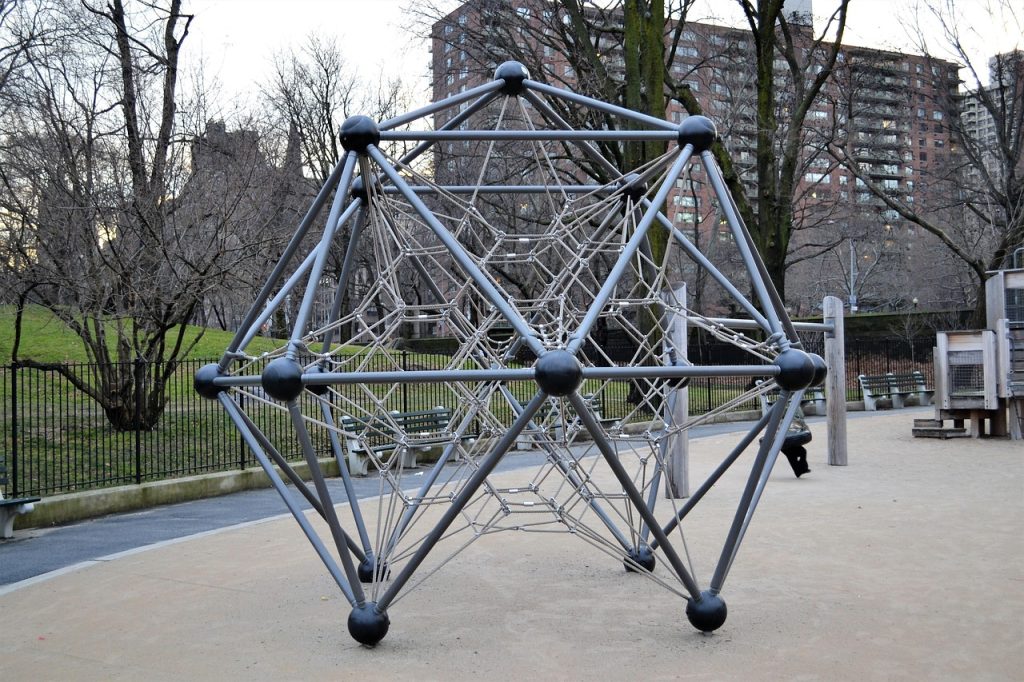
Materials that hold up in real weather
Outdoor monkey bars usually come in metal, wood, or a mix of both.
Metal frames tend to be durable, lower maintenance, and better for slimmer footprints. Wood playsets often win on looks and treehouse charm, but they need more care over time. The CPSC notes that wood used outdoors should resist rot and insects or be treated to reduce deterioration.
If your climate is wet, humid, or brutally sunny, weather resistance matters more than style photos.
How to blend monkey bars into a treehouse backyard
This is where function meets magic.
A good setup does not have to look like a playground catalog exploded in your yard. You can create a softer, more natural feel with wood tones, plants, mulch paths, and one or two connected features instead of ten unrelated ones.
A few ideas:
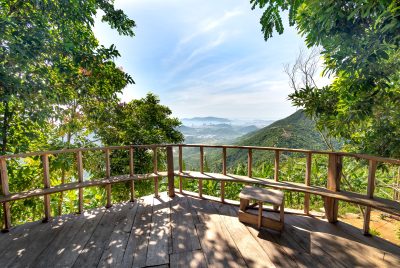
- pair monkey bars with a small lookout deck
- add a slide off one side
- create a shaded reading or snack nook underneath
- use a natural border of shrubs, logs, or stepping stones
If you want the whole space to feel calmer as well as more playful, this family-friendly guide to forest bathing is a lovely place to start.
Helping nervous kids build confidence
Some kids launch themselves across bars on day one. Others stare at them like they were designed by cartoon villains.
Both reactions are normal.
Start with short hangs, assisted steps, or one-bar-at-a-time movement. Celebrate tiny wins. A child who touches the first bar today may cross halfway next week. Confidence on kids climbing equipment grows like a muscle: slowly, then all at once.
Humor helps too. “Let’s see if you can out-hang me for three seconds” usually lands better than a lecture.
Making play more inclusive for siblings and friends
One of the smartest things you can do is build layers of play.
Not every child wants the hardest challenge first. Some want a low platform. Some want a slide. Some want to be the “shopkeeper” inside the treehouse while someone else crosses the bars. That is why a playset with monkey bars often works better than bars alone for mixed-age families.
The goal is not to make every child play the same way. The goal is to make the outdoor play structure welcoming enough that everyone can join somehow.
Seasonal maintenance checklist
A backyard playset is not a buy-it-and-forget-it thing.
Check these regularly
- loose bolts or connectors
- rust spots or chipped coating
- splinters on wood
- worn grips
- ground anchors after storms
- mulch depth or surface wear below the bars
A five-minute monthly check can prevent the kind of weekend surprise nobody wants.
5 Product ideas worth a closer look
I screened these for strong review volume and solid ratings at the time of writing, while also looking for clear family use cases. Ratings and review counts can change over time.
JAXPETY Climbing Dome, 7FT Outdoor Jungle Gym for Kids Ages 4-8
A smart pick for families who want a compact, freestanding option that still feels active and challenging.
Features: dome-style climbing, steel frame, outdoor use, backyard-friendly size.
Best for: younger kids who like climbing but are not ready for a giant swing-set footprint.
It has a strong review base and a 4.4-star rating with 6,478 reviews in Amazon search results.
Backyard Discovery Montpelier Cedar Wood Swing Set
This is the “go big and make the backyard memorable” choice. It combines a clubhouse feel with monkey bars, swings, and other classic play features.
Features: cedar construction, wave slide, clubhouse, monkey bars, picnic area, swings, trapeze.
Best for: families who want a full treehouse-style backyard playset instead of a single climbing feature.
Amazon search results show a 4.5-star rating and about 3.8K reviews.
Jungle Gym Kingdom Swing Sets for Backyard, Monkey Bars & Swingset Accessories
This one works well for parents who already have a frame and want to add monkey-bar style play without replacing the whole setup.
Features: trapeze-style bar, locking carabiners, weather-resistant construction, 300-pound capacity.
Best for: upgrading an existing swing set on a more manageable budget.
Amazon search results show a 4.5-star rating and about 1.4K reviews.
Ninja Warrior Obstacle Course for Kids, 2×56ft Slackline Kit with 8 Ninja Accessories
This is not a classic fixed-frame setup, but it gives kids monkey bar-style challenge in a more flexible format.
Features: monkey bar attachment, rope ladder, gymnastic ring, arm trainer, monkey fist, slackline format.
Best for: older kids who want a more athletic backyard challenge and parents who want something less permanent.
Amazon search results show a 4.4-star rating and 839 reviews.
Step2 Play Naturally Playful Lookout Treehouse
Not true overhead monkey bars, but it earns a spot because it fits the treehouse angle beautifully and works well for younger siblings who are not ready for full bar play.
Features: slide, ladder, periscope, hideaway space, easy-grip entry, durable plastic body.
Best for: toddlers and preschoolers in families building a layered outdoor play zone.
Amazon search results show a 4.5-star rating and 965 reviews for this treehouse-style climber.
What the research says
Two sources are especially helpful here.
First, a CDC study on playground playability and children’s physical activity found that stronger playability scores, especially for amenities and play structures, were associated with more moderate-to-vigorous physical activity and higher energy expenditure. That supports the common-sense idea that better-designed play spaces help kids move more.
Second, a PubMed study on monkey bar injuries and playground fractures found monkey bars or upper-body devices were the most common cause in that injury sample, accounting for 66% of cases studied. That does not mean monkey bars are “bad,” but it does mean layout, height, surface protection, and supervision should be taken seriously.
My takeaway is pretty simple: keep the challenge, reduce the avoidable risk.
Common buying mistakes to avoid
A lot of regret comes from buying with your eyes instead of your yard.
Watch out for these mistakes
- choosing bars that are too advanced for your child
- ignoring the fall surface
- forgetting clearance around fences and trees
- buying for “right now” instead of the next few years
- overloading the setup with extras that make supervision harder
The best childrens monkey bars are not always the biggest or flashiest. They are the ones your kids will use often and safely.
FAQs
Are childrens monkey bars safe for backyard use?
Yes, they can be safe when the structure fits your child’s age and size, the setup has proper clearance, and you install shock-absorbing surfacing underneath. Regular maintenance matters just as much as the original build.
What age is best for childrens monkey bars?
There is no perfect one-size-fits-all age, but most true overhead bars work best once a child has decent grip strength, coordination, and confidence. Younger children often do better with low climbers or treehouse-style structures first.
What should I put under monkey bars in the backyard?
Use protective surfacing such as engineered wood fiber, rubber mulch, rubber tiles, or another shock-absorbing option rated for playground use. Grass alone is usually not enough for fall protection.
Can I attach swings to monkey bars?
That is not recommended. The CPSC home playground guidance warns against attaching swings, gliders, or trapeze bars directly from monkey bars because a child can fall onto those moving parts.
How do I make monkey bars fun for kids who are afraid of heights?
Start low, go slowly, and make it playful. Try timed hangs, one-step challenges, or assisted moves. Confidence usually builds through repetition, not pressure.
Conclusion
Childrens monkey bars can turn a plain backyard into a place where kids grow stronger, braver, and more imaginative one afternoon at a time. The trick is choosing a setup that fits your child, your space, and your safety standards instead of chasing the biggest frame on the screen.
Keep the layout smart. Keep the surface soft. Keep the play inviting. Do that, and your backyard will not just look more fun. It will actually become the place your kids remember.