5 Treehouse Balcony Ideas for Extra Outdoor Space
We may earn a commission for purchases made using our links. Please see our disclosure to learn more.
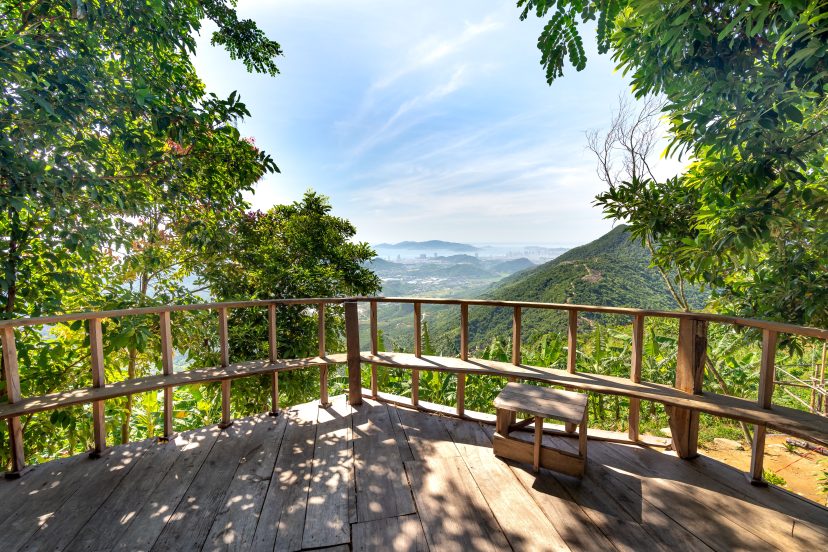
A Treehouse Balcony can turn a small enclosed hideout into a place where you actually want to linger. Instead of squeezing every activity inside, you gain an outdoor spot for reading, watching birds, sharing snacks, growing herbs, or simply sitting among the leaves. The challenge is making that extra space useful without crowding the platform or treating an elevated edge like an ordinary patio.
This guide covers five practical balcony ideas, space planning, railing and material considerations, useful accessories, and research-backed safety context. You will also see where compact furniture, storage, lighting, and planting can earn their place. The goal is to help you shape a balcony around the people who will use it, the structure you have, and the maintenance you are willing to do.
Affiliate disclosure: We may earn a commission from qualifying purchases made through links on this site, at no extra cost to you.
Start With the Balcony’s Job, Not the Furniture
Before buying chairs or lights, decide what the balcony needs to do. A Treehouse Balcony for two adults drinking coffee has different priorities from one used by children for nature watching.
Choose one primary use, then measure the clear area after doors, hatches, ladders, and gates open. Sketch furniture at full dimensions and build the layout around the view people naturally use.
Treehouse Balcony Idea 1: Create a Compact Reading and Coffee Deck
For a quiet retreat, keep things simple: one or two lightweight chairs, a small folding table, and open floor space. Add comfort with outdoor cushions or a weather-suitable rug rather than bulky lounge furniture.
A narrow cabin-wall shelf can hold a mug or book without stealing floor area. Keep loose décor away from the walking path and guard.
Treehouse Balcony Idea 2: Build a Fold-Away Dining Perch
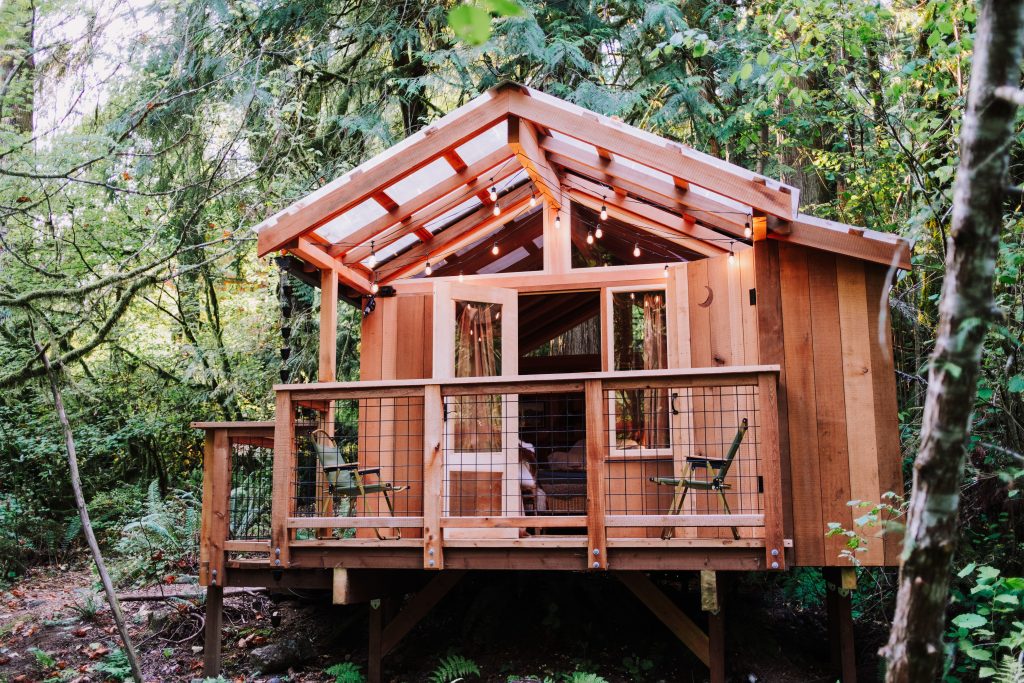
A small dining perch makes a Treehouse Balcony useful for breakfast, card games, or an evening snack. Folding furniture works well because it can disappear when you need the deck open.
Preserve the clearest route near the entrance and place the table toward the cabin side. Wall-mounted drop-leaf surfaces can save space too, but only with suitable structural support.
Treehouse Balcony Idea 3: Add a Railing Garden Without Losing Floor Space
Plants connect an elevated deck to the canopy, but wet soil and water add weight quickly. Start with a few modest containers rather than oversized pots.
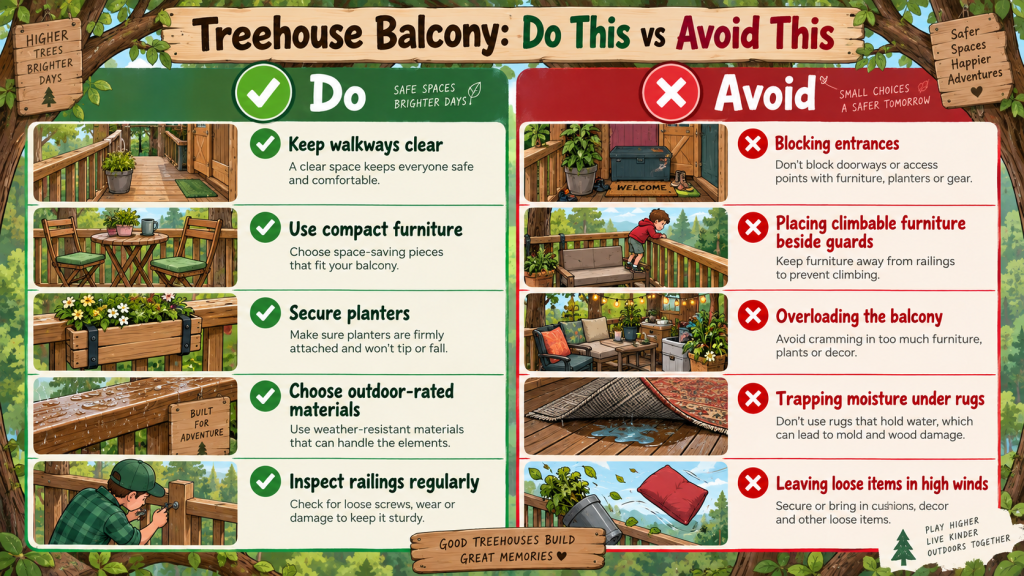
Railing planters can free floor space if the rail shape, attachment, and added load are appropriate. Keep them inward where practical and never interfere with guard function. Choose plants only after checking actual sun exposure; leafy treehouses can be surprisingly shady.
Treehouse Balcony Idea 4: Use a Bench With Hidden Storage
A storage bench can handle seating and clutter at once, but bigger is not always better. A deep chest may dominate a narrow balcony and become surprisingly heavy once filled.
Compact boxes that double as side tables are easier to move. If children use the space, avoid climbable furniture beside the guard. Also give stored cushions or fabrics a chance to dry; trapped dampness turns convenient storage into a maintenance problem.
Treehouse Balcony Idea 5: Make a Lantern-Lit Stargazing Deck
A stargazing setup needs little: portable seats, perhaps a blanket, and soft lighting that helps people move without overpowering the view.
Outdoor string lights can add perimeter glow without using floor space. Route cords away from feet and snag points, and use lighting and connections suited to outdoor exposure. For children, add a star chart or notebook; for adults, one small table may be enough. Let the night sky remain the main feature.
How Much Space Does a Treehouse Balcony Need?
There is no single ideal size. What matters is the clear space left after access, guards, furniture, door movement, and expected users are accounted for.
Mock up the footprint on the ground with painter’s tape and place real chairs inside it. This catches awkward conflicts quickly. Protect circulation first and add furniture second. If expanding the balcony itself is necessary, remember that added deck area is a structural change, not a decorating decision.
Plan the Railing, Openings, and Edge First
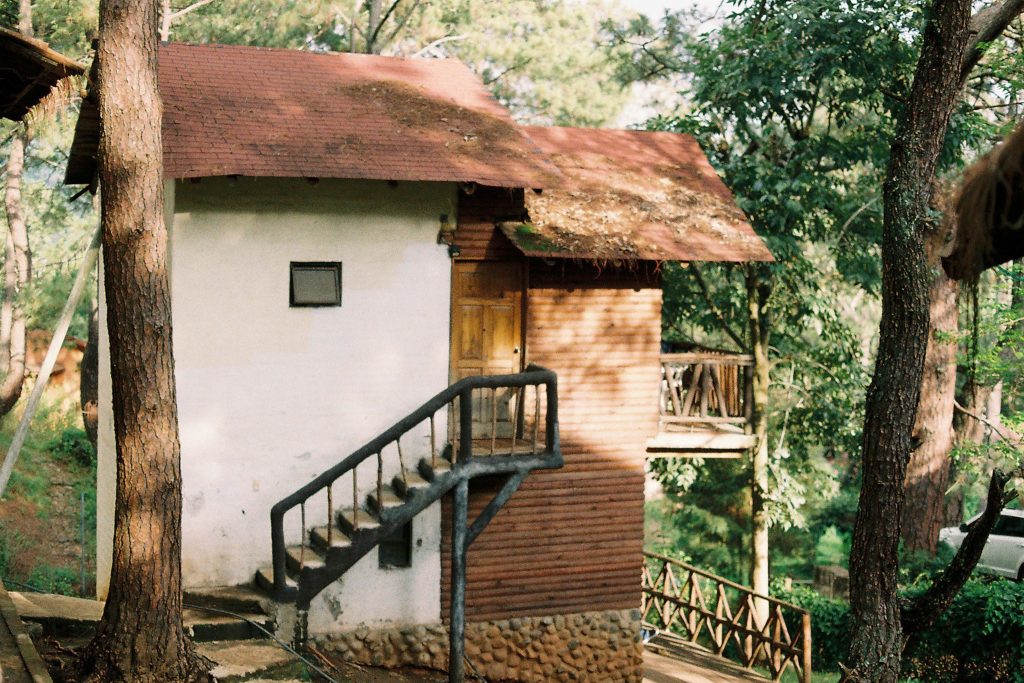
The open edge deserves attention before styling. The 2024 International Residential Code uses a 30-inch vertical threshold for requiring guards on certain open-sided walking surfaces, although local adoption and treehouse classification vary.
If the balcony meets a ladder, hatch, or stair landing, plan the transition as one system. This guide to a safe, practical treehouse entrance covers landings, handholds, gates, and access choices. Avoid benches or planters that become easy climbing steps beside the guard.
Choose Materials That Can Handle Weather and Movement
A Treehouse Balcony faces sun, rain, leaf debris, shoes, and repeated wet-dry cycles. Choose materials for that exposure and detail the deck so water can drain instead of sitting in joints.
The American Wood Protection Association’s 2025 standard places typical above-ground residential deck components in use categories based on exposure and service conditions. Species, climate, fastener compatibility, finish, and contact with moisture still matter, so do not assume one treatment specification fits every treehouse.
Keep Added Weight Under Control
People, wet planters, furniture, storage, and rugs all add load. Do not guess how much extra weight a tree-supported platform can take, especially when modifying an existing structure.
Favor items that earn their weight. A folding table can disappear, a small storage box can replace two pieces of furniture, and lightweight seats are easier to remove before severe weather. When framing, tree attachments, or support conditions are uncertain, get qualified structural and arboricultural advice.
Research-Backed Treehouse Balcony Safety Guidance
Treehouse-specific research is limited, but fall prevention deserves priority. A 2009 peer-reviewed study of U.S. pediatric treehouse injuries estimated 47,351 emergency-department-treated injuries among people age 19 or younger from 1990–2006; falls accounted for 78.6% and fractures for 36.6%. These historical figures do not represent today’s injury rate.
For child-oriented builds, the CPSC’s Outdoor Home Playground Safety Handbook addresses fall hazards, surfacing, entrapment, hardware, and maintenance. It is guidance, not a dedicated treehouse code.
For guard context, see the 2024 International Residential Code provision. For treated wood exposure, the AWPA Use Category System is a useful technical reference. Local requirements still govern the actual project.
Recommended Products for a Treehouse Balcony
These accessories solve different comfort and organization problems; none replaces sound structural design. Measure first and keep accessories clear of guards, access, drainage, and inspection points.
| Product | Best for | Useful feature | Main consideration |
| Brightown Outdoor String Lights | Evening ambience | 25 G40 bulbs, 55-foot configuration | Cord routing and outdoor power |
| Adams Quik-Fold Side Table | Tiny balconies | Folds flat | Table only, not seating |
| Keter City 30 Gal Storage Box | Compact storage | Storage plus side-table use | Uses floor area |
| Bloem 24-inch Rail Planter | Small railing garden | Keeps plants off the floor | Rail fit and added load |
| nuLOOM Wynn 5′ x 8′ Rug | Softer adult retreat | Indoor/outdoor construction | Large for many balconies |
Outdoor String Lights, 55(50+5) FT 25 Bulbs IP65 Waterproof Patio Lights | Shatterproof Dimmable Hanging Connectable G40 Globe LED Outdoor Lights for Christmas, Backyard, Bistro, Porch
Best for: Evening ambience on a larger balcony
This plug-in Brightown set uses 25 G40 bulbs across a 55-foot configuration and carries an IP65 rating in the current listing. It adds overhead or perimeter light without taking floor space. The length may be excessive on a compact balcony, so plan cord routing carefully and use an outdoor-suitable power connection.
GCI Outdoor Compact Camp Table 20 Outdoor Folding Table
Best for: Compact coffee, snack, or card-game setups
The GCI Outdoor Compact Camp Table 20 has an 18-by-20-inch aluminum tabletop, folds to about 2 inches deep, and weighs 4 pounds. Its compact folding design makes it easier to clear the Treehouse Balcony when you want more open space. The 24-inch height is useful for casual seating, although it is taller than many conventional side tables.
Keter City 30 Gal Outdoor Storage Box and Patio Side Table | Taupe, Resin, Compact, Weatherproof, Lockable, Easy Assembly, Organization, Pool Accessories Storage
Best for: Keeping cushions and small accessories contained
This 30-gallon resin box doubles as a side table and includes ventilation, carrying handles, and a lockable lid design. One piece can therefore handle both storage and surface space. However, confirm that its footprint leaves a comfortable walking route and does not create an easy climbing step beside the guard.
Bloem Deck Balcony Rail Planter: 24″ – Terra Cotta
Best for: Adding plants without giving up floor space
This 24-inch molded rail planter is designed for balcony or deck railing use, making it useful when the walking surface is tight. Measure the railing before choosing it, and remember that wet growing media adds weight. Keep the planter from compromising guard function and position it inward where practical.
Fab Habitat Reversible Rugs | Indoor or Outdoor Use | Stain Resistant, Easy to Clean Weather Resistant Floor Mats | Big Sur – Ash, 4′ x 6′
Best for: Adding easy-care comfort to a small outdoor retreat
This 4-by-6-foot Fab Habitat rug uses woven recycled plastic and has a reversible, low-pile design intended for indoor or outdoor spaces. Its relatively compact footprint suits more balconies than a large 5-by-8-foot rug. Because any covering can hold debris or moisture against decking, lift it periodically for cleaning, inspection, and drying.
Small-Space Styling That Still Feels Open
A balcony feels larger when the floor stays visible. Choose one focal feature—the view, a planter, or a small table—and let everything else support it.
Repeat materials or tones from the treehouse itself, and keep taller visual weight toward the cabin wall when possible. Lower furniture near the edge preserves sightlines. Most importantly, do not hide structural connections or moisture-prone areas behind dense décor; a beautiful Treehouse Balcony should remain easy to inspect and clean.
Treehouse Balcony FAQs
Can I add a balcony to an existing treehouse?
Possibly, but treat it as a structural alteration rather than an accessory. Existing framing, supports, connections, tree condition, and the proposed load all matter. A solution that works on a ground-supported playhouse may not transfer safely to a tree-supported structure. When load paths or tree attachments are uncertain, get qualified structural and arboricultural advice before adding framing.
How high should a Treehouse Balcony railing be?
There is no universal treehouse railing height that applies everywhere. Residential codes offer useful context, but local rules and the structure’s classification may differ. The 2024 IRC addresses when guards are required on certain open-sided walking surfaces. Verify the code adopted in your jurisdiction rather than copying a dimension from another project.
What furniture works best on a small treehouse balcony?
Choose lightweight, compact pieces that can do more than one job. A folding side table, portable chair, and small storage box usually offer more flexibility than a deep bench or full patio set. Measure furniture in its open position, preserve a clear route to the entrance, and avoid placing climbable pieces directly beside the guard.
Can I put planters on a treehouse balcony railing?
Only when the railing and planter suit the added load and attachment method. Wet soil is much heavier than an empty pot, and wind also acts on foliage and containers. Measure the rail, keep planters from interfering with guard function, and position them inward where practical. If guard capacity is uncertain, use small floor containers instead.
How do I keep a Treehouse Balcony comfortable in hot weather?
Start with shade and airflow rather than adding more furniture. Observe the balcony throughout the day because tree canopy and sun angles change. Light-colored outdoor textiles may feel less heat-absorbing than dark ones. Keep any shade sail, screen, or canopy from introducing unplanned loads, particularly wind loads, on the treehouse structure.
Final Recommendation: Design the Treehouse Balcony Around Real Use
A successful Treehouse Balcony starts with a clear purpose, open circulation, and a well-considered edge. For a quiet retreat, use light furniture and one comfort layer. For a family space, prioritize visibility and uncluttered guards. Plant lovers can use a modest railing planter, while evening users may value soft outdoor lighting more.
The GCI Outdoor Compact Camp Table 20 is especially useful when you want a small surface that can be folded away, while the Keter City storage box makes sense when organization matters more. A Fab Habitat outdoor rug can soften a larger reading nook without filling it with extra furniture.
Keep loads reasonable, choose weather-suitable materials, verify local requirements, and inspect the platform over time. Build around the people, the view, and the structure—and let everything else earn its place.